


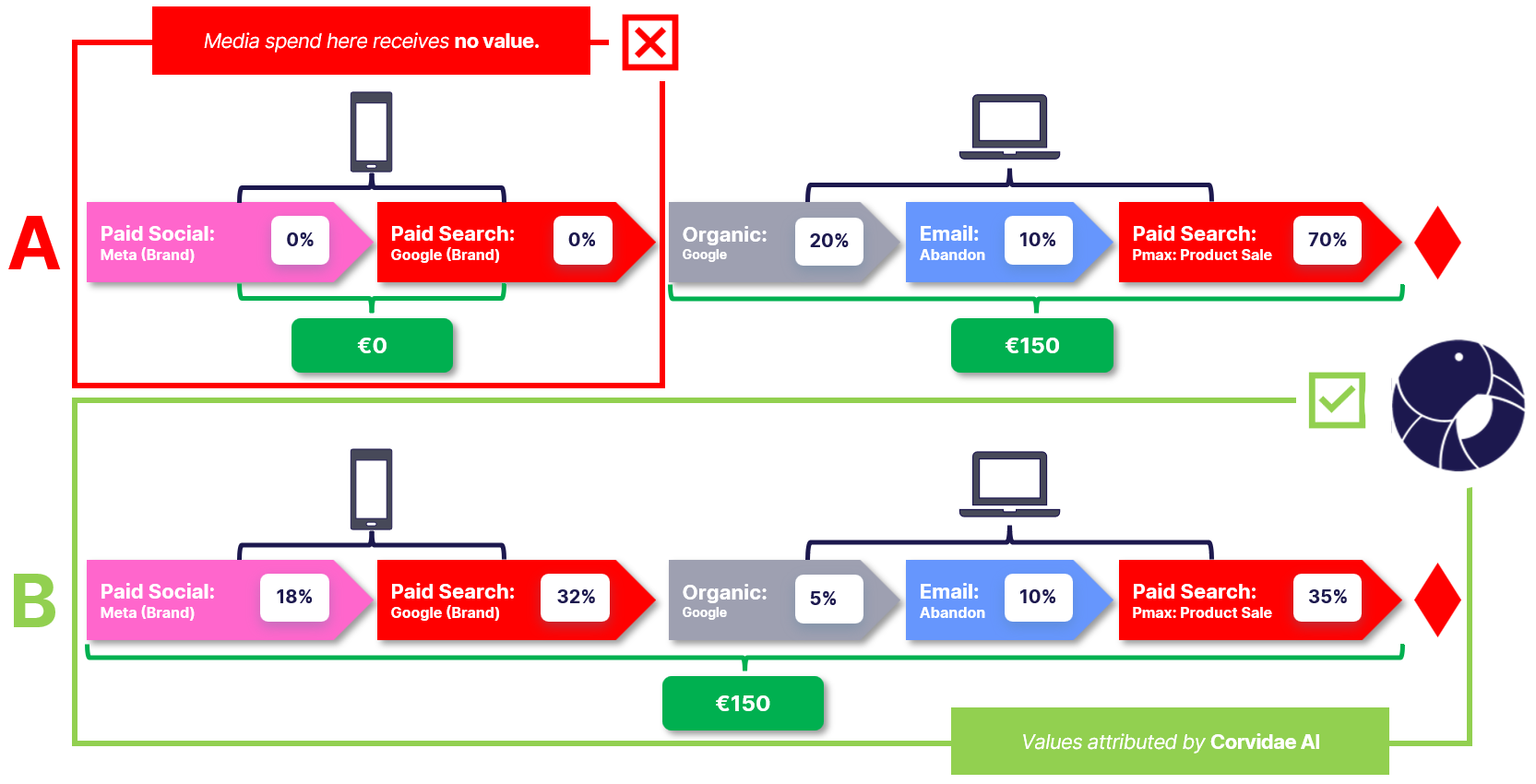
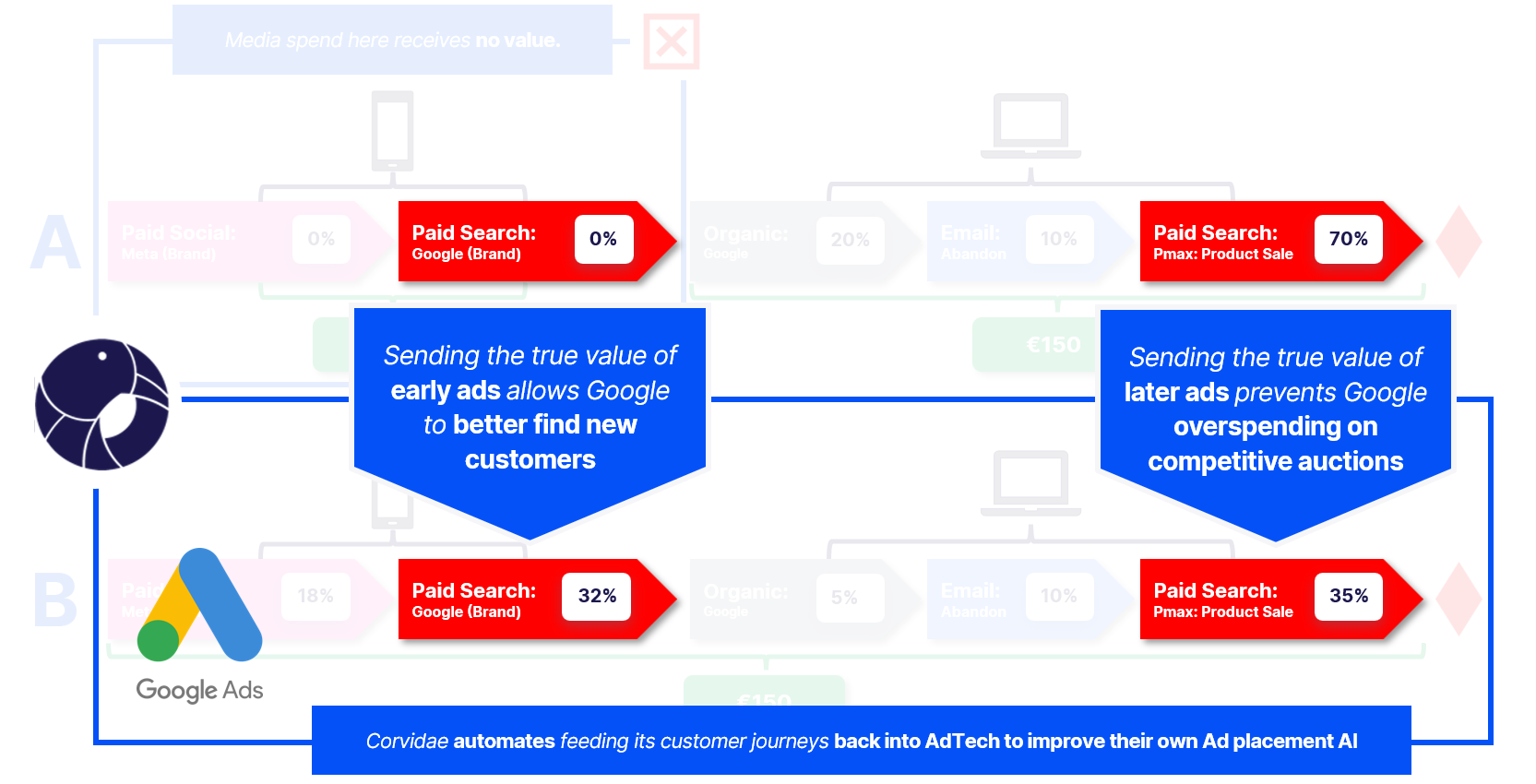


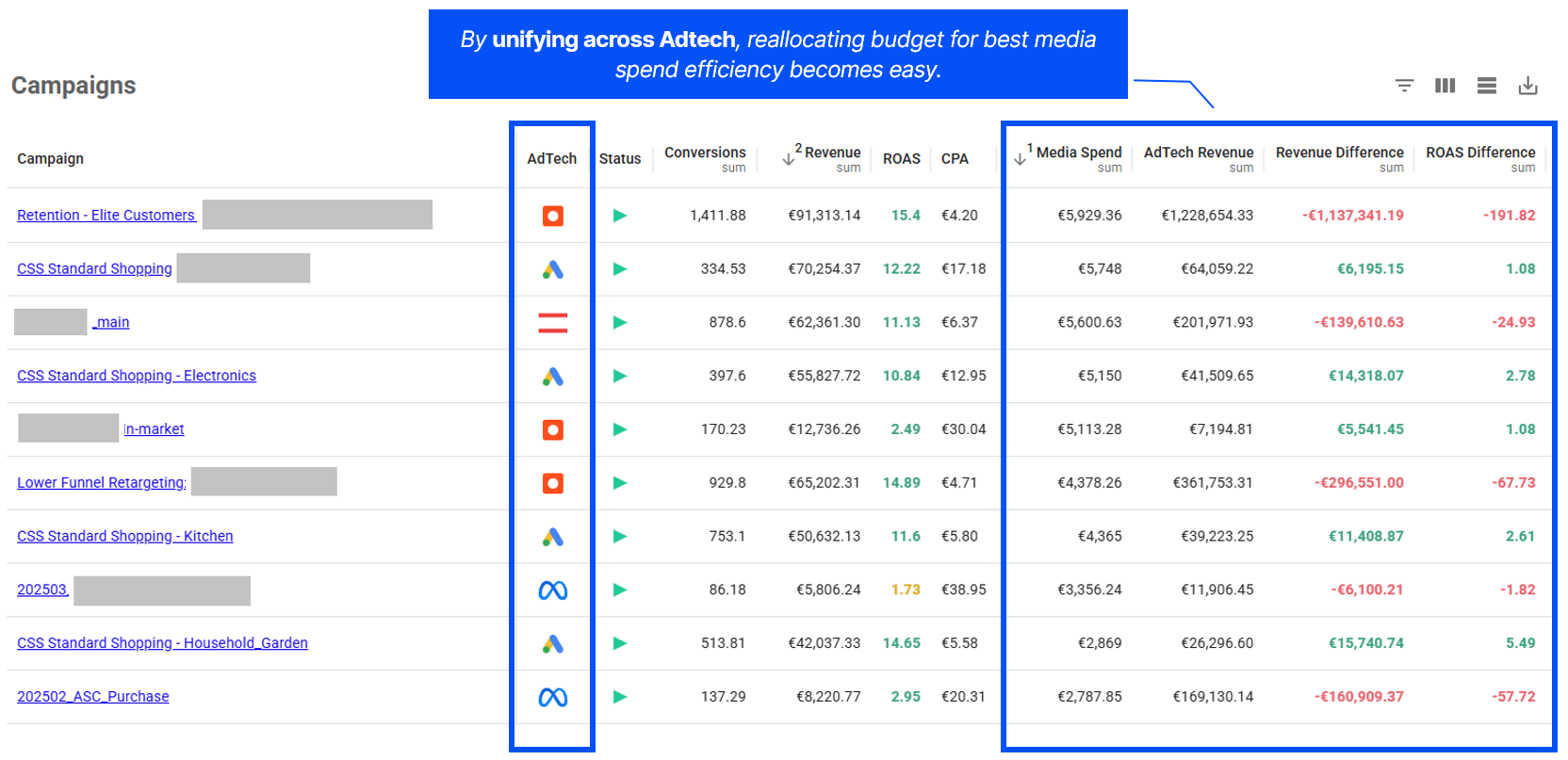
Half the money I spend on advertising is wasted; the trouble is I don't know which half.
— John Wanamaker: Historical Advocate for Attribution






















Latest Insights
The Checkout Line Has Moved What Is Google Universal Cart?
 By Alix Ingram ·
1st June, 2026
· SEO
By Alix Ingram ·
1st June, 2026
· SEO
Announced at Google I/O 2026, Universal Cart is sold as "an intelligent shopping cart and your new hub for shopping on Google". But what does that really mean, and more importantly, how will it impact your eCommerce business?

Meta CLI & Automating Performance Optimisation with Frontier AI Models
 By Chris Liversidge ·
4th May, 2026
· Performance Marketing
By Chris Liversidge ·
4th May, 2026
· Performance Marketing
With the release of Meta's CLI last week, Frontier AIs can now directly access the majority of Paid Media spend directly, giving performance marketers a critical cutting edge in ROAS optimisation.

eCommerce Insights: Conversions Rebound & External Factors
 By Jackie Wakefield ·
31st March, 2026
· SEO
By Jackie Wakefield ·
31st March, 2026
· SEO
UK eCommerce conversion rates dipped in mid-March 2026 and rebounded quickly. Learn how promotions, payday, AI-driven shopping journeys, and travel spending affect online buying behaviour.